
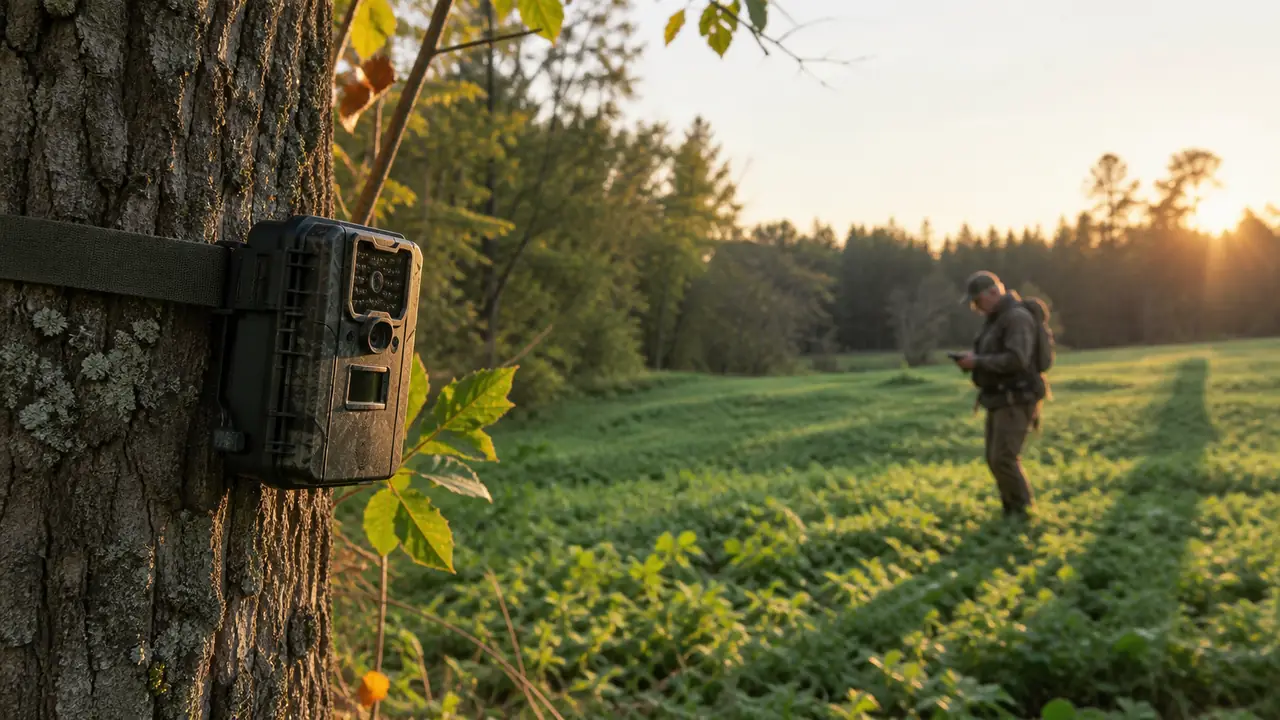
I hung the Moultrie Edge 2 on a pine at the edge of our food plot on the last Saturday of August 2025, and I did not walk back to that tree for the rest of the year. That was the whole point. For the better part of a decade I had checked two cheap SD-card cameras by walking in on them, and every one of those walks cost me deer. The Edge 2 changed how I scout this lease, and after one full season plus the spring turkey season, I have a pretty clear picture of what it's worth and where it gets on my nerves.
Moultrie built this camera around the two things that matter most to a guy who hunts an hour from home: a clear picture of what is moving, and a picture that reaches your phone without a trip to the woods. I ran it on a basic monthly data plan, and it did its job from September through the end of turkey season in April.
The Quick Verdict
The Moultrie Edge 2 is the camera I'd hang on my food plot again tomorrow, but it's not the camera for every setup.
Amazon Check Today's Price →The camera that ended my walking-in scouting
I bought the Moultrie Edge 2 in August 2025, hung it once, and never spooked a deer walking to a camera again. It sends me the photos, I stay out of the woods until it's time to hunt.
Amazon Check Today's Price on Amazon →How I've Used It
The Edge 2 sits on the edge of a food plot about 40 yards off the treeline, on the family lease about an hour north of home. The plot runs maybe eighty yards along the treeline, and I aimed the camera down its long edge so it catches deer coming in from either end. It's mounted to a pine with the strap that came in the box, about four feet off the ground, which puts it at chest height for a deer and gives it a clean view of the whole field. The camera weighs 1.1 pounds, so the strap and the plastic housing hold it without any fuss. It's been through one Alabama winter of rain, fog, and a hard freeze in January, and it has not missed a beat. The first photo came through the app about ten minutes after I finished the setup, a couple of does at the far edge, and I knew right then the walking-in days were over.
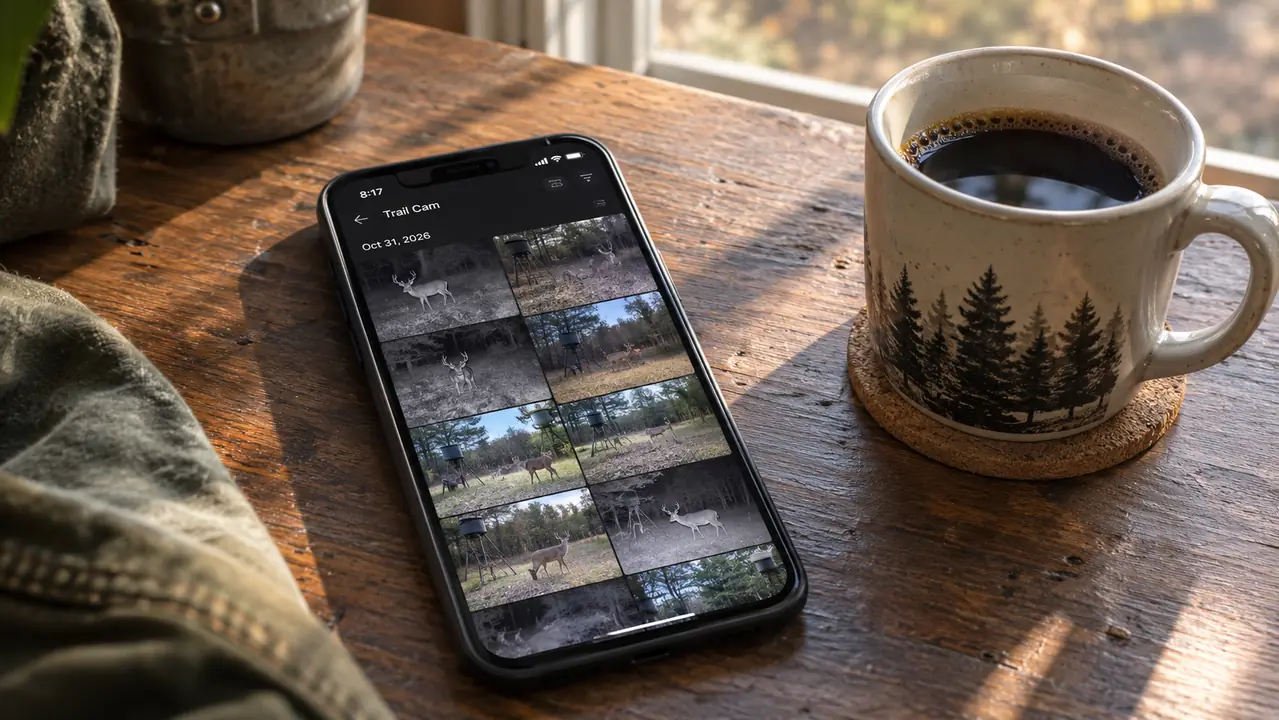
I set it up with the Moultrie Mobile App on my phone. The app walks you through connecting the camera to the cellular network, and the Auto Connect technology found the 4G LTE signal without me doing anything clever. From there I could see photos as they came in. My son Cody and I would look at them on Sunday afternoons after the morning hunt, and we'd know before we ever set foot in the woods whether the deer were hitting the plot in daylight or only after dark. One Sunday in early October, we pulled up the app after the morning hunt and found a photo of a heavy 6-point that had come through at 2:14 in the morning. We had never seen him on the plot before, and we would not have known he existed if we had not had the camera. That kind of detail changes how you hunt a piece of ground.
I ran the camera through the 2025-26 deer season and then left it up through turkey season. That's the part most folks don't think about: a cellular camera is not just a deer season tool. In March and April it showed me where the turkeys were scratching, and it let me plan sits without burning a morning on an empty field.
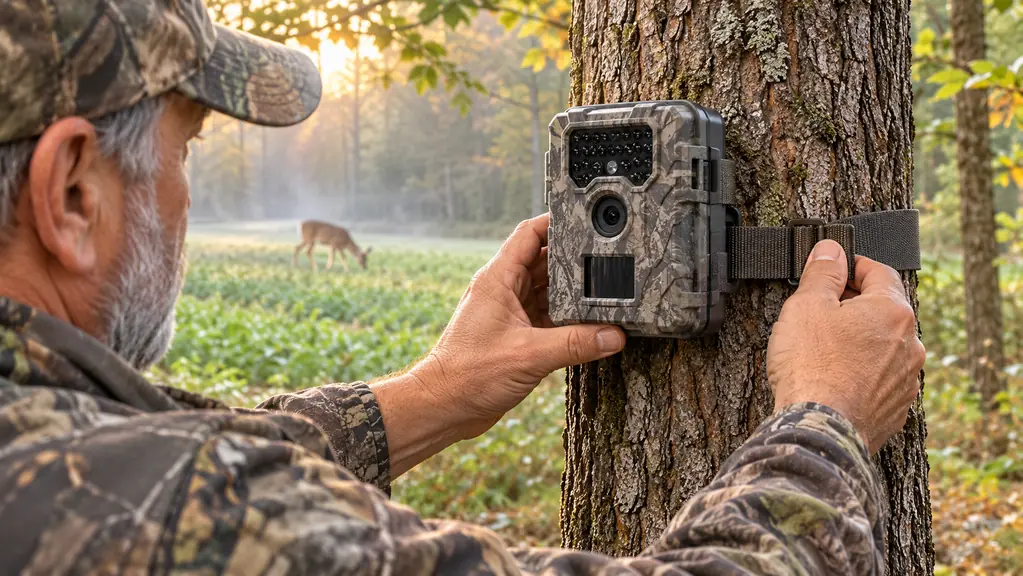
The Picture Quality That Earned Its Spot
The Edge 2 takes 36MP photos and 1080p HD video with audio. I don't put a lot of stock in megapixel numbers on paper, but I do put stock in being able to tell a 3-year-old from a 4-year-old at 40 yards in low light. The photos were sharp enough that Cody and I could count points on the big 8-point that showed up in November, and the night shots were clear enough to see the moon on his face. The 1080p video clips with audio gave us something the old cameras never did: we could hear the crunch of deer walking through the plot, and on one clip, the grunt of a buck working a scrape. The clearest example came the first week of November. A cold front pushed through on a Thursday night, and by Friday morning the app showed eleven photos from the night before, including a sequence of the big 8-point standing broadside at the far edge of the plot. The detail was good enough that I could make out a small notch in his left ear, a marking I had never seen in any of the old SD-card photos. You do not get that from a blurry night shot.
The motion sensor caught what needed catching. I did not have the camera set on a draw or a scrape, just a food plot edge, and it still fired on deer crossing in and out. The night vision lit up the full width of the plot without washing out the deer standing at the far edge.
The waterproof housing matters more than the spec sheet lets on. This camera has been rained on more times than I can count, including a stretch of three straight days of heavy weather in January. The lens never fogged, the electronics never glitched, and the photos kept coming. For a camera that lives outside year-round, that is the feature I'd pay for even if it never took a single daylight photo.
The best thing the Edge 2 did was keep me out of the woods until it was time to hunt. I stopped walking in to check cameras, and the deer stopped knowing I was there.
What the Data Plan Is Really Like
Moultrie data plans start at a modest monthly rate with no contract. That's the part of the cellular camera math that makes or breaks the whole idea. A camera that saves you ten walks a month is worth something, but only if the monthly cost fits what you're willing to spend on scouting. For me, the basic plan was the right call. It sent me the photos I needed, and I could add more if I wanted video clips sent more often. I did the math before I bought it. The lease is about an hour each way, and a check of the old SD-card cameras meant a round trip plus a slow walk through the woods. The monthly plan was cheaper than what I was already spending on fuel for those trips, before I counted the deer I was bumping. And because the camera sent photos on its own, I stopped making the trip just to see what was on a card.
The Auto Connect technology is the piece that surprised me. I hung the camera in a spot where I honestly expected to fight with the signal, and it connected to the 4G LTE network without a single phone call to support. The camera is also compatible with desktop, laptop, and smartphone, so I could pull up the same photos on my laptop at the kitchen table while Linda was making supper. Nationwide cellular coverage means I could move this camera to another piece of ground and it would still work, which matters if you hunt public land or a lease that changes from year to year.
The one thing I'll flag: the camera is not a set-it-and-forget-it machine for everybody. If you want every single photo delivered the second it's taken, you'll want to look at the plan options and match them to how you hunt. On the basic plan I never felt like I was missing the deer I needed to see, but a guy who needs real-time intel on a specific buck might want a different plan tier.
Where the Moultrie Edge 2 Falls Short
No camera is perfect, and the Edge 2 has its quirks. The plastic housing is light and tough, but it's not built like a steel lockbox. On public land, where theft is a real concern, I'd think hard about a security box or a cable lock. On our lease, where I know everybody who hunts the place, it was a non-issue.
Battery life is the other thing to plan around. The Edge 2 is battery powered at 6 volts DC, and the specs say 3.4 watts. The camera sips power when it's just sitting there, but heavy video use will eat batteries faster than you'd like. I got through deer season on one set of batteries, but I was not running video on every trigger. I changed them once, in late January, after a stretch of cold nights when the camera was firing more than usual. The old set still had some life in it, but I did not want to lose a week of photos waiting on a signal from a dead camera. The swap took about two minutes at the base of the tree, and the camera was back online before I got to the truck. If you're the kind of hunter who wants a video clip of every single deer, plan to change batteries more often, or invest in a solar panel setup.
The app is good, but it's an app, and apps need a signal. On the rare days when the cell signal on the lease was weak, photos came in late or in batches. There was one stretch in mid-December when a storm rolled through and the photos stopped for about a day and a half. They all showed up at once the next morning, in order, and I did not lose a single one. It was a reminder that the camera is only as good as the tower it talks to, but it also showed me the camera holds the photos until the signal comes back. It never lost a photo entirely, but I learned to check the app before I made a decision about where to hunt that evening. That's not a dealbreaker, but it's worth knowing.
How It Changed the Way I Hunt
The biggest change was not the pictures. It was the absence of me. Every time I walked in to check an SD card, I was putting scent on the ground and bumping deer off the plot. The Edge 2 meant I did not have to do that. I stopped visiting the food plot except to hunt it, and the deer responded. I took a good buck and a doe last season, and I believe a good part of that was the deer not knowing I was around.
It also changed how Cody and I planned our weekends. Saturday morning, I'd pull up the app in the truck before daylight, see what had moved overnight, and decide whether to head to the ladder stand or the ground blind. That's a luxury I never had with the old cameras. By the time I was in the stand, I already knew the plot was active and I was sitting in the right place. One Saturday in mid-November, the app showed a buck feeding on the plot at 6:40 that same morning, well after first light. I changed my plan, skipped the ladder stand, and set up in the ground blind at the end of the plot. He came back out at 8:15, and I watched him feed for ten minutes. That sit told me more about that deer's routine than a month of walking in to check cards.
The 1080p video with audio turned out to be more useful than I expected. One clip from late October showed two bucks working the same scrape line, and the audio picked up the grunt sequence. Cody and I watched that clip a dozen times. It's not just entertainment, it tells you when deer are moving and what they're doing. That's the kind of detail that makes a difference on a slow sit.
What I Liked
- 36MP photos and 1080p video with audio give you clear, usable intel day and night
- Auto Connect technology found the 4G LTE signal with zero fuss
- Waterproof housing took a full season of rain and never fogged or glitched
- Nationwide cellular coverage means it works if you move it to another piece of ground
- Basic data plan keeps the monthly cost honest
Where It Falls Short
- Plastic housing is light but not theft-proof; public land hunters will want a security box
- Battery life shrinks fast if you run video on every trigger
- Photos can arrive late or in batches when the cell signal is weak
- You're tied to a monthly data plan, so the cost never ends
Who This Is For
The Moultrie Edge 2 is for the hunter who hunts ground that's not in his backyard. If you drive an hour to your lease like I do, a cellular camera is the difference between knowing what's on your plot and hoping what's on your plot. It's also for the hunter who has spooked one too many deer by walking in to check a card. If you already know that feeling, you already know why this camera earns its keep.
It's for the guy who wants to hunt with his son on Sunday afternoons and actually have something to look at together. Cody and I checked this camera more than we checked the football scores, and that's saying something in our house. The app makes it a shared activity even when we're not in the woods.
Who Should Skip It
If you hunt a small piece of ground you can walk in five minutes, and the walk doesn't spook deer, you might not need a cellular camera at all. The monthly plan cost adds up over a year, and an SD-card camera will do the job for a fraction of the price. The Edge 2 is a tool for a specific problem: distance. If you don't have that problem, you don't need this tool.
I'd also tell a public land hunter to think hard about the plastic housing. The camera itself is excellent, but anything left on public ground is at risk, and the Edge 2 is not built like a safe. If you're set on this camera for public land, budget for a security box and a cable lock before you hang it.
Put the same camera on your food plot this season
A season of photos without a single spooked deer. That's what the Moultrie Edge 2 bought me, and it's what it can buy you. Check today's price and see if it fits your setup.
Amazon Check Today's Price on Amazon →